S C R A B

Scrap Reutilization for Aesthetic Beautification
Material Intelligence Through Upcycling
Turning scrap into architectural intelligence.
  • Material systems from waste streams (not décor)
  • Craft integration to revive local skills
  • Impact documented per project (where feasible)

Skillyak converts discarded materials into functional, high-quality architectural interventions—combining design, craft, and technology to reduce waste and create meaningful spaces.

Typical collaborations start with a 15–20 minute alignment call.
Why we exist
“Every material has a past. Architecture decides whether it ends there—or continues.”

We work at the intersection of architectural intent, material responsibility, and craft-led execution— turning overlooked resources into systems that belong in the built environment.

  • Diverting waste from landfills through design-led upcycling
  • Creating usable architectural components and systems
  • Reviving local crafts and enabling artisan livelihoods
At a glance
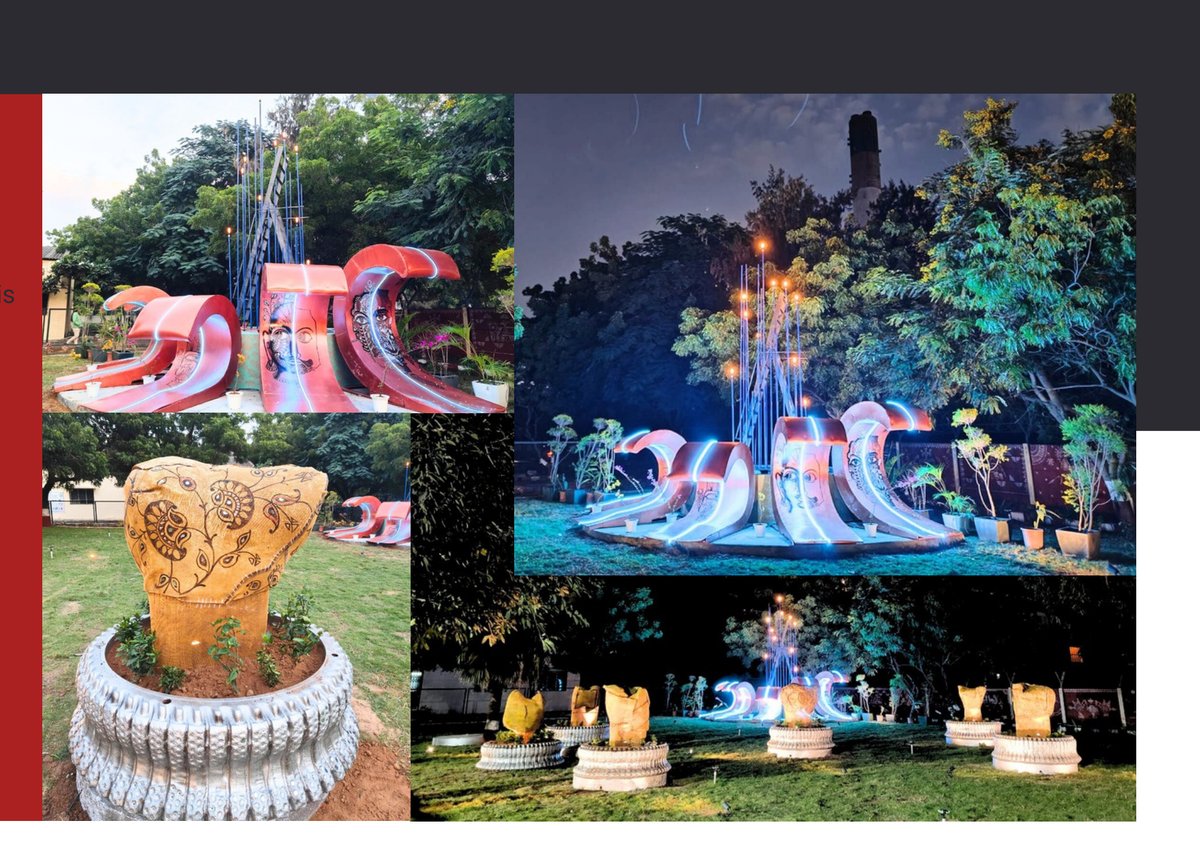
Upcycled architectural installation by Skillyak
Environment × Empowerment × Employment — material reuse with craft revival and livelihood creation.
How we work with architects

A material collaborator, not a vendor.

We integrate early—so sustainability reads as design intelligence, not a late-stage add-on.

Step 1
Early design discussions & intent alignment
Step 2
Waste-stream mapping & feasibility checks
Step 3
Custom development based on site, brief, and context
Step 4
Prototyping, mock-ups, and detailing support
Step 5
Fabrication coordination and execution support
What you receive
  • Material direction aligned with concept & context
  • Prototype-ready detailing & feasibility notes
  • Execution support with craft-sensitive outcomes
  • Impact documentation (where feasible)
Materials & craft

Material intelligence, rooted in place.

Post-industrial textile waste
  • Acoustic & wall panels
  • Surface skins & partitions
  • Installations & spatial elements
  • Felt / fiber composites (project-specific)
Plastic & polymer waste (clean, non-hazardous)
  • HDPE / PP / PET offcuts & rejects
  • Reformed sheets, tiles & cladding modules
  • Terrazzo-like panels & surface applications
  • Prototype-driven detailing for durability
Wood & paper-based industrial scrap
  • Plywood / MDF cut-offs (non-treated)
  • Packaging waste to usable boards (project-specific)
  • Joinery elements & interior components
  • Surface textures & crafted assemblies
Metal scrap & fabrication remnants
  • Sheet offcuts, sections, perforated scrap
  • Screens, partitions & feature elements
  • Frames, brackets & hybrid assemblies
  • Finish exploration (patina / coating as needed)
Mineral waste & ash-based by-products
  • Fly ash / stone dust (project-specific)
  • Cast or pressed modules (tiles, blocks)
  • Surface textures & composite infill panels
  • Performance checks: strength, sealing, dusting
E-waste (selected, no batteries)
  • Circuit boards / components for art + surfaces
  • Casings / housings for assemblies (project-specific)
  • Detail accents, inlays & installations
  • Handled only via safe dismantling + sorting
What we track (when feasible)
  • Waste-stream category + source (factory / site / vendor)
  • Approx. weight/quantity diverted and components fabricated
  • Substitution logic (what new material was avoided)
  • Fabrication + finishing steps (for repeatability)
What you receive
  • Material story for client/brand communication
  • Care & maintenance guidance for longevity
  • Option to document artisan involvement (teams/hours)
  • Project-ready photos + process documentation (as approved)
We work with non-biodegradable, non-biohazard industrial waste streams—including textiles, plastics (clean), wood, metals, mineral/ash-based by-products, and selected e-waste. Each project begins with waste-stream identification and prototyping to translate scrap into buildable systems, finished through local craft for contextual identity and artisan employment.
We do not accept: contaminated plastics, medical waste, batteries, bio-medical / biohazard waste.
Selected work

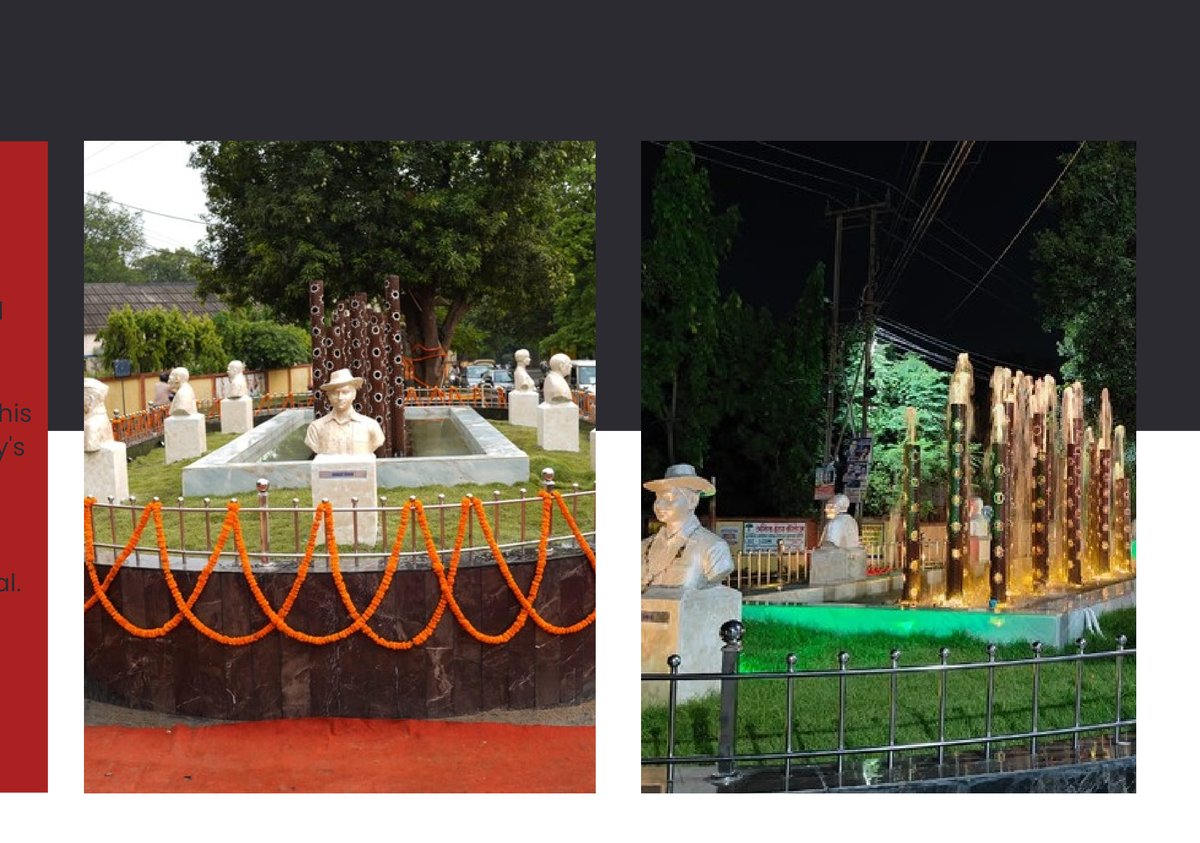
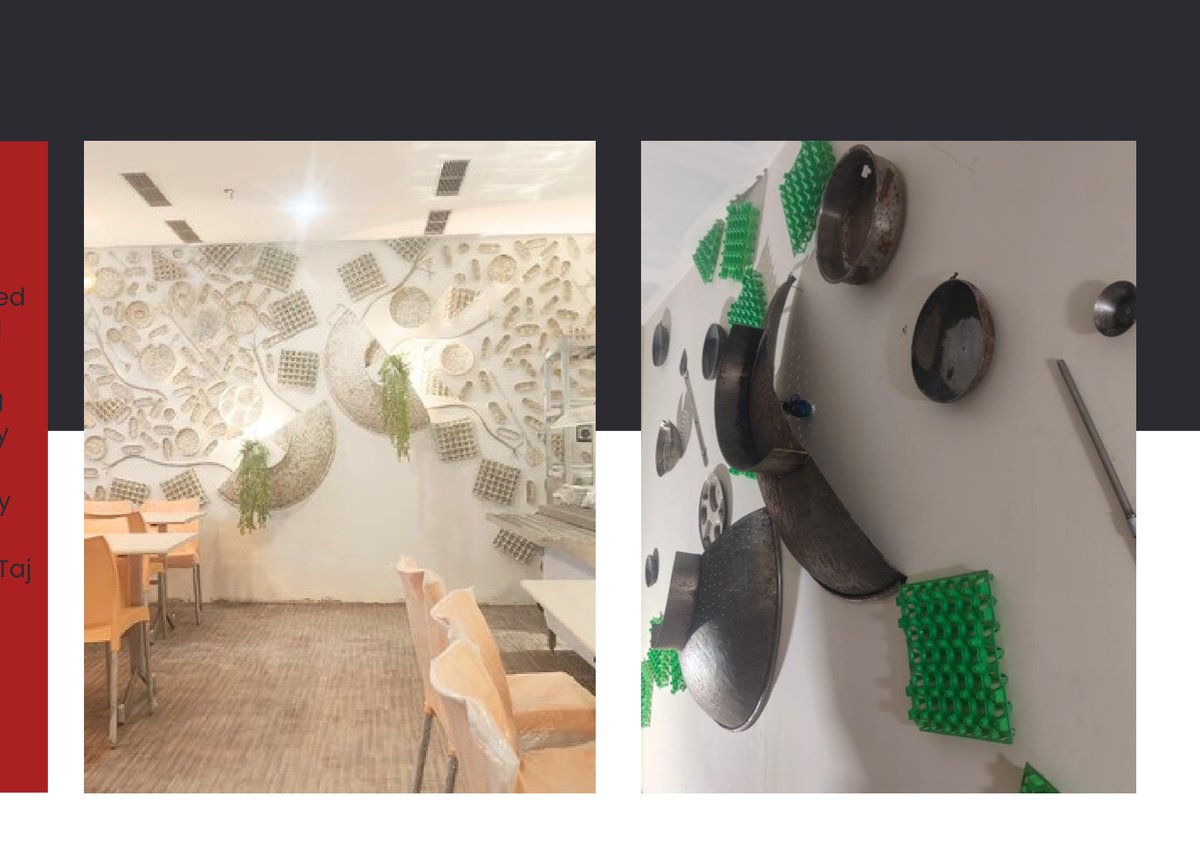
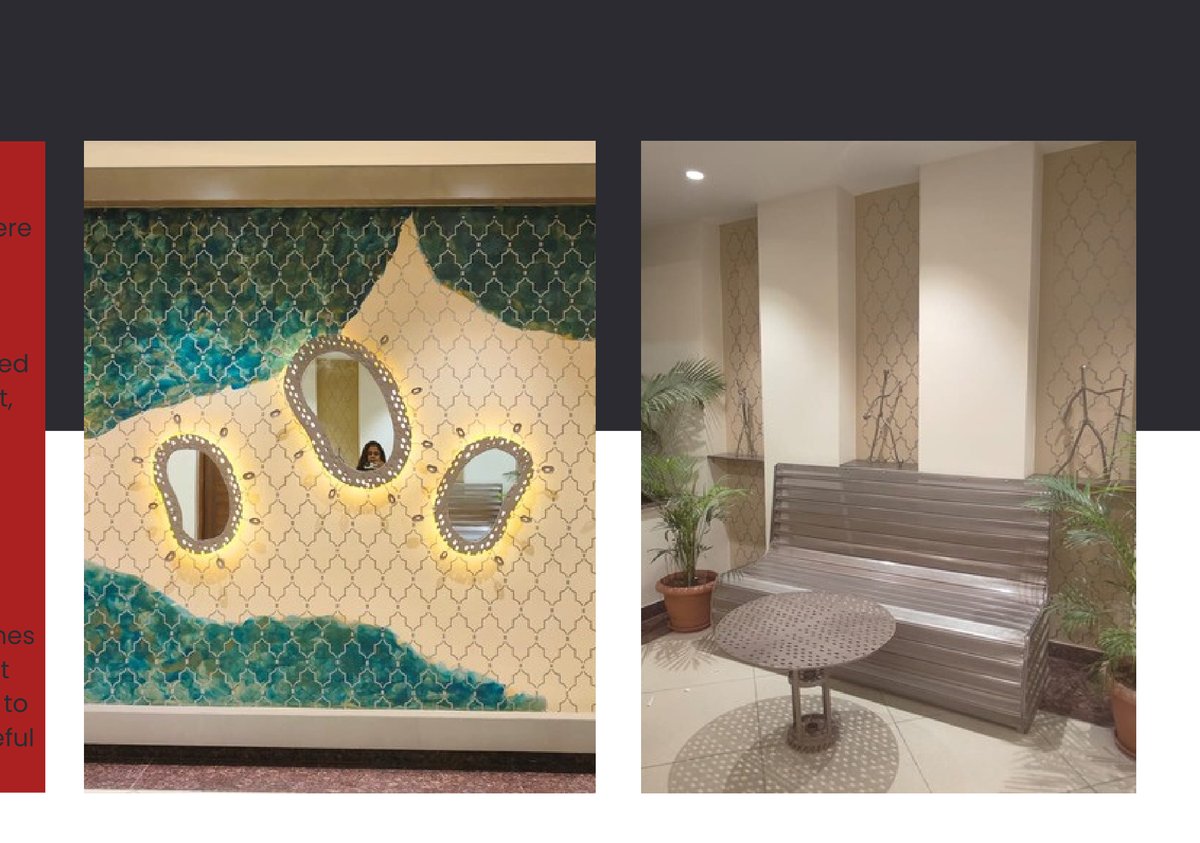
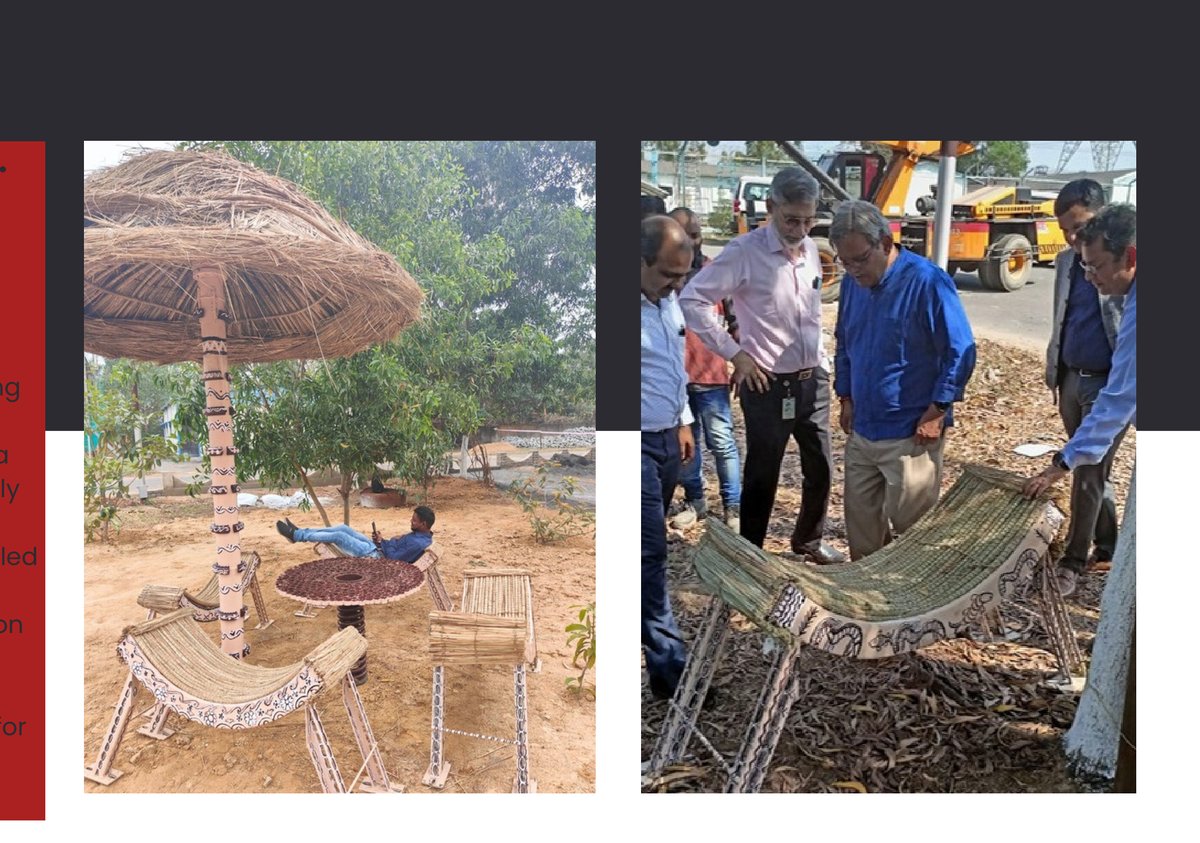
A few representative interventions.

View All →
Impact

Measurable where possible. Documented per project.

If you don’t have numbers yet, we can still set up an impact plan at concept stage: define the waste stream, estimate material substitution, document sourcing and processing, and then confirm weights/quantities during fabrication.

Material diverted
Project-specific
Captured by waste-stream type, weight, and reuse route
Carbon avoided
Project-specific / estimated
Example: ~18.4 tCO₂e (Echoes of Energy) from reusing ~6 t metal + ~4 t conveyor belt
Virgin material offset
Project-specific
Estimated substitution of new materials with reclaimed inputs
Reuse route
Reuse • Repurpose • Recycle
Defined during concept + confirmed at fabrication stage
Artisan engagement
Ongoing
Craft integration supporting local livelihoods (hours/teams recorded where possible)
Documentation pack
Included
Material source, process notes, installation/maintenance guidance
We treat sustainability as a system: environment (material reuse), empowerment (craft revival), employment (artisan livelihoods).
Collaborate

If one day you’re designing a space that needs more than fresh materials…

If you want sustainability to be part of the narrative—not an afterthought—let’s talk.

Nishtha Pandey
Architect | Founder, Skillyak
Scan to view Skillyak’s work
Projects | Process | Craft | Impact
Best viewed with sound and process videos.